Trees make streets feel civilised and gardens feel alive. They cool our homes, anchor soil, and pull birdsong into ordinary mornings. Yet any arborist with a few winters under their belt can show you photos that tell a different story, splintered rafters after a storm, a lifted pavement slab that tripped a neighbour, a fungal bracket that looked charming until the stem failed. When people search for tree removal near me or tree felling near me, it is rarely curiosity. Something is leaning, cracking, shading, dropping, or threatening. The art and science of dealing with that responsibly is what this piece is about, how to remove trees with minimal disruption and maximum safety, how to choose the right tree removal services near me, and how to make sure you are protecting your property, your neighbours, and the ecology that remains.
Why tree removal is sometimes the most responsible decision
Most of the job is preservation, pruning to reduce sail area before winter gales, bracing a co-dominant stem, aerating compacted soil. Removal sits at the end of the line, not the start. It becomes necessary when a tree is structurally unsound, badly sited, heavily diseased, or causing unacceptable risks to people and property. A mature ash with ash dieback and open cavities, a poplar under high voltage lines, a failing leylandii hedge planted too close to a wall in the 90s, each demands a sober assessment. You do not wait for a crisis. If you hear a dull thud on a calm night, you do not un-hear it.
Responsible removal is not about fear, it is about proportionate action. In practice, that means quantifying risk against use. An oak with some deadwood over a lightly used meadow is one thing. The same oak over a busy driveway is another. It also means being honest about root zones and foundations. I have removed sycamores that looked fine above ground, only to find Kretzschmaria deusta had eaten the buttress roots to sponge. The tree was a wind throw waiting to happen. Conversely, I have refused removals when a client wanted light but the tree was healthy and amenable to reduction, and there was no conservation conflict. Saying no is part of the job.
Understanding the language: felling, dismantling, and removal
People often say tree felling and tree removal as if they were identical. In rural or open spaces, felling sometimes does mean a single controlled cut with the tree falling in one piece along a prepared lay. In towns and small gardens, it rarely does. There is a greenhouse, a fence, a swing set, a pond with koi, a conservatory roof the owner is rightly precious about. There, removal is dismantling: sectional rigging, piece by piece, using climbing techniques, lifting devices, and rope systems to lower wood safely.
The nuance matters when you ask for quotes. If you ring a company for tree felling near me and the site cannot accommodate a fell, expect a plan for sectional dismantling instead. The skill set, time, and cost profile are different. Good contractors explain this clearly, with diagrams or photos of similar jobs, so you understand why a two-hour fell in a field is not comparable to a two-day rig in a courtyard.
Safety first, always: how professionals manage risk
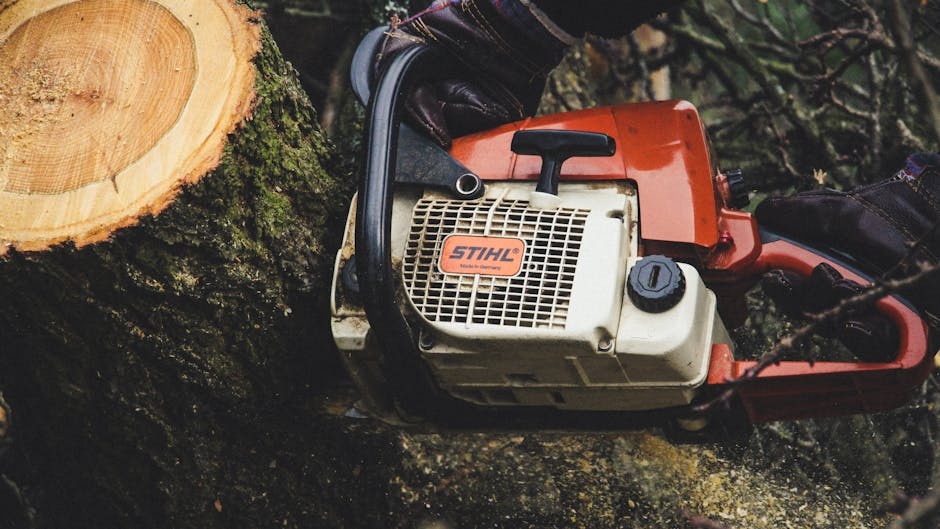
Work at height with chainsaws is licensed madness if it is not tightly controlled. The safety culture in modern arboriculture is strong because the price of complacency is permanent. A credible team will arrive in full PPE, helmets with visors and ear defence, chainsaw trousers, chainsaw boots, gloves appropriate to the task, and communication systems. They will brief the job, set exclusion zones with hi-vis tape, agree escape routes, and allocate roles. They will check anchor points, inspect ropes, and test saws. It is dull compared to timelapse videos online, but it is the boring bit that makes the rest of the day uneventful.
For many domestic removals, safe systems of work revolve around rigging. A top anchor, friction device, lowering lines, slings, and in some cases a floating anchor set with a throwline. The climber makes precise cuts, the ground team controls descent. If a crane is used, the lift plan is written, the crane is set on mats with proper outrigger spread, and the appointed person walks the site first. Where space is tight and risks are high, a mobile elevated work platform can be a better option than climbing, particularly on compromised trees where a rope and harness anchor is suspect.
One point that matters but is rarely discussed with clients, fatigue management. Two days on a dense, resinous Monterey pine in 24 degree heat, or a winter beech with interlocking crown and frozen bark, can grind even robust crews. Good operators schedule breaks, rotate tasks, and keep hydration and glucose up. You work better, and the chance of a mistake drops sharply.
Permissions and the law: not optional, often overlooked
Before a chainsaw is fuelled, someone should check protections. Trees can sit under a Tree Preservation Order, or be in a Conservation Area, or be subject to planning conditions from a past development. There are fines and enforcement for unlawful works. There are also nesting birds, roosting bats, and badgers, all protected by law. Even if you have a legitimate reason to remove, timing and method matter.
An experienced contractor will handle applications to the local authority, usually with photos, site plans, and a reasoned statement. Response time varies by council, roughly six to eight weeks for a TPO application, with shorter notice in Conservation Areas for certain works. If the tree is dead or dangerous, exemptions apply, but evidence is still essential. I keep a dated file with decay probe readings, fungal ID, and photos. If an officer visits later, you have the paper trail.
As for wildlife, nesting season typically runs spring through mid-summer. You can work during this period, but you must check thoroughly for active nests and adjust operations to avoid disturbance. If bats are suspected, a licensed ecologist’s survey may be necessary. Any company offering tree removal services should speak plainly about this rather than pretending it never comes up.
How to pick the right team when you search for tree removal services near me
Word of mouth still beats glossy adverts. Ask neighbours who had tidy work done, observe a crew on another street, note who keeps a site clean and who leaves chip scattered into the road. Online, look for clear accreditation, not just badges pasted on a website. In the UK, that often means membership of a recognised professional body, evidence of trained climbers and aerial rescue capability, first aid training with a forestry element, and up-to-date insurance. Public liability should cover at least five million pounds for domestic work, often ten million for commercial.
Read quotes like a contract. A thorough quote sets out scope, method, waste handling, stump options, traffic management if relevant, VAT status, day rates if the scope changes, and what happens if hidden defects are discovered. Vague promises and a too-good price are warning signs. I have been asked to put right work left half-done when a cheap crew vanished. The tidy-up alone cost more than the original quote.
What minimal disruption looks like in practice
Clients usually worry about two things, noise and mess. The truth is, there will be noise. Modern saws are quieter and chipper mufflers help, but cutting and chipping wood is not a silent operation. You can choose timing, avoiding early mornings, school drop-off times, and Sundays. You can agree a schedule with neighbours. You can also reduce the duration through good planning.
Mess is where a professional shines. Before a single branch comes down, we protect. Boards over grass at access points, ply sheets along the path to the chipper, mats over delicate paving, dust sheets over bike racks, a mesh guard over a pond. Fuel is decanted on a spill mat with granules to hand. We pre-position bags for brash and rings, and park the chipper to avoid tracking mud.
Good dismantling routes minimise cross-traffic. You do not want heavy timber carried past a glass door fifteen times. A small adjustment of where the chipper is stationed can save an hour and a risk. On completion, we use blowers and stiff brooms, magnet sweep for nails and fixings from temporary timber, and a final walk-through with the client to spot anything missed. The garden should look used, not trashed.
Decision-making on the day: judgment on the rope
Textbooks get you part of the way. Experience finishes the job. A healthy beech behaves one way under load, a compromised grey poplar with brittle wood behaves another. Weather matters. A 12 mph breeze gusting to 20 over a fence line forces you to adjust tie-in points and rigging angles. If rain arrives and bark gets slick, you slow down and reduce piece size. There is no heroism in fighting conditions.
The best crews communicate constantly. The climber calls cuts. The ground team repeats instructions. Hand signals are agreed and used consistently. If a lift or lower looks wrong, anyone can call stop. That culture, open and unblinking, stops minor misreads from becoming incidents.
Stumps and roots: leave, grind, or remove
A tree removed at ground level leaves a stump. What happens next depends on your plans. For lawns and borders, stump grinding is usually the neat choice, taking the stump to 150 to 300 mm below soil grade, sometimes deeper if a patio is going in. The grindings, a mix of wood and soil, can be left to settle and used as mulch, or removed and replaced with topsoil if you want to re-turf.
Full root removal is rarely necessary unless you are excavating for foundations or drainage. It is invasive and can destabilise nearby features. In clay soils, sudden removal of a large root system next to older structures can sometimes cause heave as moisture balance shifts. An experienced arborist can talk through those risks, often in concert with a surveyor where subsidence or heave are concerns.
On species with aggressive suckering, such as certain poplars and robinia, you may need additional management. If you leave a stump alive, expect regrowth. Where regrowth is unwanted, a controlled application of a suitable herbicide by a qualified person at the right time of year prevents a multi-stem thicket from forming.
Waste handling, recycling, and what leaves your driveway
A responsible operator treats arisings as resources. Branches are chipped and taken for biomass or composting. Larger rings and stems can be milled into boards if the species and condition warrant it, or cut for firewood. Holly, yew, fruit woods, and oak sometimes find their way to turners and carvers. Where a client wants logs left for seasoning, we cut to sensible lengths and stack safely, not a teetering pile.
Transport matters too. Overloaded trailers and loose chip blowing across the road are not acceptable. Tie-downs, netting, and appropriate vehicles protect other road users and your reputation. If you want certificates of waste transfer for your records, ask. Any professional should be happy to provide them.
Planning your day: access, parking, and small details that save hours
City jobs often hinge on logistics. A 7.5 tonne truck with a chipper needs space. If parking is limited, you may need a temporary suspension from the council, which takes lead time and a fee. If access runs through a terraced alleyway, you measure widths and heights before promising a machine that will not fit. If pets use the garden, gates are kept shut and signs placed to prevent escapes.
Small details make time. Pre-booking a window for crane access if needed. Checking bin collection days so your chipper is not blocked by a lorry. Noting school times to avoid being the noisy neighbour at precisely the wrong moment. Bringing plywood to bridge a soft verge so tyres do not rut a council strip. These are minor acts with outsized benefits.
Weather and season: timing your tree removal
Strong wind is the stopper. We can work in light rain, cold, and heat with adjustments, but gusts over a safe threshold shift the risk profile sharply. It is better to reschedule than push on with a canopy moving like a sail. In winter, daylight is the limiter. A short day with frost on the ropes is slow. In summer, bird nesting and public use of parks and gardens peak. The sweet spots, practically speaking, sit in late autumn and late winter, though disease pressures, storm damage, or access conditions can flip the calculus.
A note on sap and resins. Certain species bleed. Remove a silver birch in spring, and you may see sap flow that looks dramatic. It is not harmful in itself, but can be messy. Pine resin can gum saws and make climbing sticky in hot weather. The job is still doable, you just clean and oil more often.
Pricing realities: what drives cost, and where not to economise
People often ask why one removal is quoted at a few hundred pounds and another at a few thousand. The visible part, the size of the tree, is only one factor. Complexity, access, proximity to buildings, targets under the crown, need for traffic management, the presence of decay, and waste volume all drive time and risk. A straightforward dismantle of a medium tree with driveway access and an easy chip route might be a day’s work for a three-person crew. The same-sized tree over a glasshouse with no rear access, where everything must be hand-carried through a narrow hallway, can take double the time and energy.
Be wary of quotes that do not mention waste removal, stump options, or VAT where applicable. Saving a small amount by choosing an uninsured operator can end expensively if something goes wrong. If a rope snaps and a limb damages a neighbour’s roof, liability matters. A professional’s premium covers training, kit maintenance, insurances, and the admin you do not see but benefit from.
Case notes from the field
A Victorian terrace in south London, a eucalyptus overshadowing three gardens, with a greenhouse, a trampoline, and a glass balcony all within the drop zone. A straight fell was impossible. We anchored high using a redirect to keep rigging angles safe, used a friction device at the base, and dismantled over two days. Wet morning, dry afternoon. We used brush to build a protective mat over the lawn, then lifted heavy timber onto skates to slide through the side passage without gouging. Not a pane cracked. The neighbour who had been sceptical at 8 a.m. brought tea at 3 p.m. after seeing the care taken.
A mature ash in Manchester with advanced ash dieback and Kretzschmaria at the base. Crown thin, lateral branches brittle. We used a mobile elevated platform rather than climbing due to anchor point concerns, cordoned the road with a temporary traffic order, and took small sections to manage unpredictable failure. The site had a cherished memorial bench beneath. We protected it with plywood and foam, and a ground crew member assigned to nothing else. The client later sent a note saying the bench mattered more than the tree, and that we had understood that.
A coastal pine in Cornwall, salt-burnt on the windward side, leaning toward a slate-roofed cottage. The client wanted it gone entirely. We recommended a staged approach, a heavy reduction and cable brace first, monitoring across a winter to see how the tree responded, then removal only if failure risk increased. A year later, after a stormy season, the lean had worsened and growth was poor, so we dismantled. The cottage survived another winter without a scratch, and the client appreciated that the decision to remove came with evidence rather than haste.
Alternatives to removal: prune, brace, or re-site risk
There is often a credible middle ground. Crown reduction can reduce wind loading and bring a heavy canopy into balance. Crown lifting can restore light to a garden without touching the upper structure. Deadwood removal improves safety where the tree is otherwise sound. Static or dynamic bracing can reduce the risk of a co-dominant stem splitting. Root investigations can diagnose a localised issue without guesswork.
When risks are mainly about targets, you can move the target. A car parked under a branch is a choice, not a natural law. A play area can be nudged two metres. A garden office can go under a different tree species with stronger wood. A good contractor will discuss these options and treat removal as only one tool in a broader kit.
Aftercare and what grows next
Removing a tree changes the microclimate. More light, less transpiration, altered wind patterns. Lawns can scorch, borders can dry fast, and nearby plants can suffer until the garden rebalances. A bit of foresight helps. Mulch beds to conserve moisture. Water stressed shrubs through the first summer. Consider installing a windbreak if the removed tree was a major shelter.
Think also about succession. If you remove a large conifer hedge, can you plant a mixed native hedge with staggered species for biodiversity and resilience? If you take down a mature tree in a small garden, can you replace it with a smaller, well-behaved species that brings blossom or autumn colour without future conflict? Amelanchier, hornbeam, field maple, hawthorn, and fruit trees can fit urban plots with grace.
Stump areas can be re-used creatively. A wildlife log pile tucked away is a simple gift to invertebrates and hedgehogs. A carved stump seat becomes a conversation piece. Or grind and replant, but choose the right stock and prepare the soil, as decay can temporarily change nitrogen availability.
When speed matters: storm damage and emergency call-outs
Storm nights are when phones ring in waves. A limb through a roof, a tree across a road, a trunk resting on a conservatory. In these situations, the priority is to make safe, not to tidy to garden-magazine standard. We often work under floodlights, with fire crews or highways teams, sometimes with utilities if lines are involved. The method is cautious and sequential, relieving loads without creating a tree removal services near me spring-back or further collapse.
If you ever face this, keep people clear, isolate power if safe and advised, document with photos for insurance, and call professionals. A loaded stem can store energy like a bent bow. Cutting the wrong fibre is not a DIY moment. Once stabilised, the tidy-up can follow in daylight with a calmer plan.
The hidden craft: kit, maintenance, and why it matters to you
A crew’s kit tells you a lot. Sharp chains cut cleanly, which means less fibre tear and less risk of kickback. Calibrated torque on rigging devices means predictable friction. Well-maintained ropes and karabiners, logged for inspection, reduce failure risk. Clean machines leak less fuel and oil. A spare saw on site prevents downtime if a saw bogs or a chain breaks. These details, invisible to many clients, translate to smoother work, fewer delays, and a safer site.
Technology helps, but judgement rules. Rangefinders make measuring heights faster. Tomography and resistography can read decay within stems. Drones can inspect inaccessible crowns. Yet on the rope, listening to a cut, feeling the weight come on, and reading fibre behaviour still drive decisions.
Communicating with neighbours: soft skills, hard benefits
Trees ignore boundaries, people do not. A good part of minimal disruption comes down to how you handle the social side. Knock on doors before a big job. Explain timing, noise, and what care you will take with shared access. Offer contact details. Put polite notices up the day before if parking needs to be kept clear. If dust or chip escapes, clean beyond the property line without being asked. Bring a few spare earplugs to offer, it signals thoughtfulness.
Disputes over shared trees or overhanging branches need a steady hand. The law allows pruning back to the boundary in many cases, but it does not allow trespass or damage. Where tensions run high, a neutral, written plan agreed by both parties helps. If a tree is jointly owned, both owners must consent to removal. A professional can mediate the practicalities and keep the conversation focused on facts and options rather than emotion.
What you can do before the crew arrives
- Clear fragile items from the garden, pots, ornaments, bird feeders, and furniture wherever possible. The fewer obstacles, the smoother the work and the less chance of accidental damage. Confirm access and parking arrangements, including keys for side gates and any codes for shared entrances. Tell the crew about pets, ponds, or hazards like hidden wells. Decide on waste preferences in advance. If you want logs left, specify lengths and stacking location. If you prefer total removal, ensure there is space for the chipper and truck. Share any known protections or planning history for the property, including previous subsidence claims. It informs method and aftercare advice. Agree a simple communication plan for the day, who will be on site, who signs off, and how to reach you if you need to pop out.
A brief note on insurance and liability
Things rarely go wrong, but when they do, paperwork keeps everyone sane. Ask to see public liability insurance and, where relevant, employers’ liability. If a contractor balks, move on. If scaffolding, cranes, or traffic management are part of the job, check that their providers are insured and competent too. Your home insurance may also require notification for certain works, particularly after storm damage claims. Keeping your insurer in the loop avoids administrative tangles later.
The environmental ledger: removing responsibly and planting forward
Tree removal is sometimes framed as anti-environment. In context, it is part of stewardship. Removing a dangerous tree prevents damage and allows space for healthy planting. The net effect on carbon and habitat can be positive if you replant thoughtfully. Consider species diversity to resist pests and diseases. Mix ages so canopy is not all one cohort. Choose the right tree for the right place, considering ultimate size, root behaviour, light, and maintenance needs.
Wood does not have to be waste. Milling a large oak into boards sequesters carbon for decades. Turning smaller pieces into habitat piles boosts local biodiversity. Biochar from waste wood can improve soil. Even chip spread as mulch reduces irrigation demand and suppresses weeds without chemicals. When you discuss tree removal services, ask where your tree will go next in its second life.
Bringing it together: minimal disruption, maximum safety as a discipline
When you type tree removal near me into a search box, you are buying more than a man with a chainsaw. You are buying planning, legal knowledge, rope craft, machine competence, ecological awareness, neighbour diplomacy, and a calm head. The best crews make it look simple because they respect complexity. They keep their promises, protect your property, and leave the site better than they found it.
If you are weighing tree felling versus dismantling, or choosing between tree removal services near me, prioritise clarity over price alone. Ask how they will protect your garden, how they will manage waste, what they will do if the weather turns, how they will deal with neighbours, what aftercare they recommend. Notice whether they listen to your concerns and adapt the method to your site rather than force your site to their method.
There is a quiet satisfaction in finishing a removal that needed to happen. The line of the garden feels right again. Light falls where it should. The risks have been handled, not ignored. And when you stand in the space where a troublesome tree once loomed, you can plan what comes next, a bench under a new sapling, a border that will thrive, and the peace that comes from a job done thoroughly, with minimal disruption and maximum safety.
Quick reference: when removal is likely the right call
- The tree shows significant structural defects, extensive decay at the base, or a pronounced lean over a high-use area, and alternative risk reduction is inadequate. The tree is in irreversible decline from disease, such as advanced ash dieback, and shedding large limbs unpredictably. The tree’s growth is fundamentally incompatible with its location, for example a fast-growing conifer hard against a boundary wall or under power lines. The tree is causing proven structural damage or is a confirmed source of subsidence, where engineering advice supports removal over pruning. The tree prevents critical works, such as emergency access or necessary building repairs, and cannot be protected through temporary measures.
By treating each site as unique, checking protections, choosing methods based on evidence, and communicating clearly, tree removal can be a precise, respectful process rather than a blunt end. Whether you searched for tree felling near me or the broader tree removal services near me, keep your standard high. The right team will meet it.
Tree Thyme - Tree Surgeons
Covering London | Surrey | Kent
020 8089 4080
[email protected]
www.treethyme.co.uk
Tree Thyme - Tree Surgeons provide expert arborist services throughout Croydon, South London, Surrey and Kent. Our experienced team specialise in tree cutting, pruning, felling, stump removal, and emergency tree work for both residential and commercial clients. With a focus on safety, precision, and environmental responsibility, Tree Thyme deliver professional tree care that keeps your property looking its best and your trees healthy all year round.
Service Areas: Croydon, Purley, Wallington, Sutton, Caterham, Coulsdon, Hooley, Banstead, Shirley, West Wickham, Selsdon, Sanderstead, Warlingham, Whyteleafe and across Surrey, London, and Kent.
Google Business Profile:
View on Google Search
About Tree Thyme on Google Maps
Knowledge Graph
Knowledge Graph Extended
Follow Tree Thyme:
Facebook |
Instagram |
YouTube

Visit @treethyme on Instagram
Professional Tree Surgeons covering South London, Surrey and Kent – Tree Thyme - Tree Surgeons provide reliable tree cutting, pruning, crown reduction, tree felling, stump grinding, and emergency storm damage services. Covering all surrounding areas of South London, we’re trusted arborists delivering safe, insured and affordable tree care for homeowners, landlords, and commercial properties.
❓
Q. How much does tree surgery cost in Croydon?
A. The cost of tree surgery in the UK can vary significantly based on the type of work required, the size of the tree, and its location. On average, you can expect to pay between £300 and £1,500 for services such as tree felling, pruning, or stump removal. For instance, the removal of a large oak tree may cost upwards of £1,000, while smaller jobs like trimming a conifer could be around £200. It's essential to choose a qualified arborist who adheres to local regulations and possesses the necessary experience, as this ensures both safety and compliance with the Wildlife and Countryside Act 1981. Always obtain quotes from multiple professionals and check their credentials to ensure you receive quality service.
❓
Q. How much do tree surgeons cost per day?
A. The cost of hiring a tree surgeon in Croydon, Surrey typically ranges from £200 to £500 per day, depending on the complexity of the work and the location. Factors such as the type of tree (e.g., oak, ash) and any specific regulations regarding tree preservation orders can also influence pricing. It's advisable to obtain quotes from several qualified professionals, ensuring they have the necessary certifications, such as NPTC (National Proficiency Tests Council) qualifications. Always check for reviews and ask for references to ensure you're hiring a trustworthy expert who can safely manage your trees.
❓
Q. Is it cheaper to cut or remove a tree?
A. In Croydon, the cost of cutting down a tree generally ranges from £300 to £1,500, depending on its size, species, and location. Removal, which includes stump grinding and disposal, can add an extra £100 to £600 to the total. For instance, felling a mature oak or sycamore may be more expensive due to its size and protected status under local regulations. It's essential to consult with a qualified arborist who understands the Tree Preservation Orders (TPOs) in your area, ensuring compliance with local laws while providing expert advice. Investing in professional tree services not only guarantees safety but also contributes to better long-term management of your garden's ecosystem.
❓
Q. Is it expensive to get trees removed?
A. The cost of tree removal in Croydon can vary significantly based on factors such as the tree species, size, and location. On average, you might expect to pay between £300 to £1,500, with larger species like oak or beech often costing more due to the complexity involved. It's essential to check local regulations, as certain trees may be protected under conservation laws, which could require you to obtain permission before removal. For best results, always hire a qualified arborist who can ensure the job is done safely and in compliance with local guidelines.
❓
Q. What qualifications should I look for in a tree surgeon in Croydon?
A. When looking for a tree surgeon in Croydon, ensure they hold relevant qualifications such as NPTC (National Proficiency Tests Council) certification in tree surgery and are a member of a recognised professional body like the Arboricultural Association. Experience with local species, such as oak and sycamore, is vital, as they require specific care and pruning methods. Additionally, check if they are familiar with local regulations concerning tree preservation orders (TPOs) in your area. Expect to pay between £400 to £1,000 for comprehensive tree surgery, depending on the job's complexity. Always ask for references and verify their insurance coverage to ensure trust and authoritativeness in their services.
❓
Q. When is the best time of year to hire a tree surgeon in Croydon?
A. The best time to hire a tree surgeon in Croydon is during late autumn to early spring, typically from November to March. This period is ideal as many trees are dormant, reducing the risk of stress and promoting healthier regrowth. For services such as pruning or felling, you can expect costs to range from £200 to £1,000, depending on the size and species of the tree, such as oak or sycamore, and the complexity of the job. Additionally, consider local regulations regarding tree preservation orders, which may affect your plans. Always choose a qualified and insured tree surgeon to ensure safe and effective work.
❓
Q. Are there any tree preservation orders in Croydon that I need to be aware of?
A. In Croydon, there are indeed Tree Preservation Orders (TPOs) that protect specific trees and woodlands, ensuring their conservation due to their importance to the local environment and community. To check if a tree on your property is covered by a TPO, you can contact Croydon Council or visit their website, where they provide a searchable map of designated trees. If you wish to carry out any work on a protected tree, you must apply for permission, which can take up to eight weeks. Failing to comply can result in fines of up to £20,000, so it’s crucial to be aware of these regulations for local species such as oak and silver birch. Always consult with a qualified arborist for guidance on tree management within these legal frameworks.
❓
Q. What safety measures do tree surgeons take while working?
A. Tree surgeons in Croydon, Surrey adhere to strict safety measures to protect themselves and the public while working. They typically wear personal protective equipment (PPE) including helmets, eye protection, gloves, and chainsaw trousers, which can cost around £50 to £150. Additionally, they follow proper risk assessment protocols and ensure that they have suitable equipment for local tree species, such as oak or sycamore, to minimise hazards. Compliance with the Health and Safety at Work Act 1974 and local council regulations is crucial, ensuring that all work is conducted safely and responsibly. Always choose a qualified tree surgeon who holds relevant certifications, such as NPTC, to guarantee their expertise and adherence to safety standards.
❓
Q. Can I prune my own trees, or should I always hire a professional?
A. Pruning your own trees can be a rewarding task if you have the right knowledge and tools, particularly for smaller species like apple or cherry trees. However, for larger or more complex trees, such as oaks or sycamores, it's wise to hire a professional arborist, which typically costs between £200 and £500 depending on the job size. In the UK, it's crucial to be aware of local regulations, especially if your trees are protected by a Tree Preservation Order (TPO), which requires permission before any work is undertaken. If you're unsure, consulting with a certified tree surgeon Croydon, such as Tree Thyme, can ensure both the health of your trees and compliance with local laws.
❓
Q. What types of trees are commonly removed by tree surgeons in Croydon?
A. In Croydon, tree surgeons commonly remove species such as sycamores, and conifers, particularly when they pose risks to property or public safety. The removal process typically involves assessing the tree's health and location, with costs ranging from £300 to £1,500 depending on size and complexity. It's essential to note that tree preservation orders may apply to certain trees, so consulting with a professional for guidance on local regulations is advisable. Engaging a qualified tree surgeon ensures safe removal and compliance with legal requirements, reinforcing trust in the services provided.
Local Area Information for Croydon, Surrey